

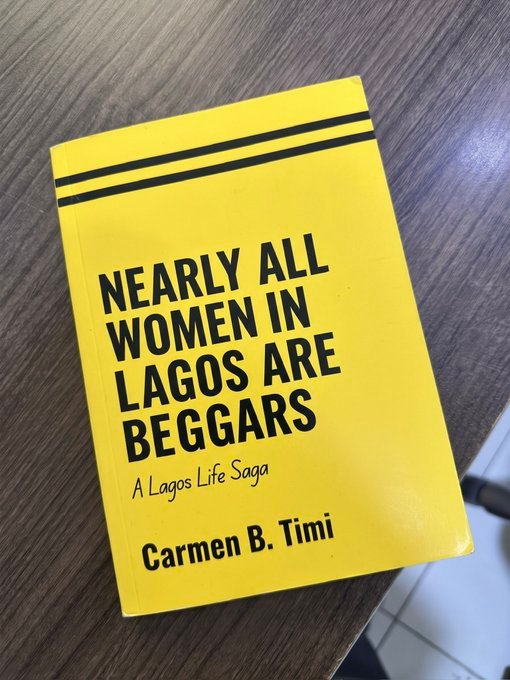
A new book titled Nearly All Women in Lagos Are Beggars has ignited heated conversations across social media, podcasts, and relationship circles, placing Lagos dating culture under an intense spotlight. While the title alone has generated outrage, curiosity, and debate, the discussion has quickly evolved beyond the book itself into a broader examination of expectations, gender roles, and the economics of modern relationships.
Lagos is often described as Nigeria’s cultural and commercial capital, a city where ambition, visibility, and social status intersect. In such an environment, relationships frequently become reflections of wider economic realities. The controversy surrounding the book taps into long-standing debates about financial expectations in dating, transactional relationships, and the pressures facing both men and women in a city known for its fast-paced lifestyle.
Supporters of the book argue that it raises uncomfortable but necessary questions about money and romance. Critics, however, view the title as unfair, reductive, and damaging, accusing it of reinforcing stereotypes about women. The strong reactions on both sides reveal just how emotionally charged conversations about relationships have become in contemporary Nigeria.
What makes this story particularly significant is how it reflects larger shifts in culture. Across Africa and beyond, discussions about dating are increasingly influenced by social media, the creator economy, changing gender dynamics, and economic uncertainty. Platforms such as X, TikTok, and Instagram have transformed private relationship experiences into public debates, where opinions spread rapidly and often become part of broader cultural narratives.
The book’s popularity also highlights the power of controversy in the digital age. Provocative titles can spark engagement, drive sales, and dominate public discourse. Whether readers agree with its arguments or reject them entirely, the attention surrounding the book demonstrates how conversations about love, money, and identity continue to captivate audiences.
Ultimately, the real story may not be the book itself but the questions it has forced people to confront. In a city as influential as Lagos, debates about relationships often become debates about society, revealing how economics, culture, and personal values shape the way people connect.