

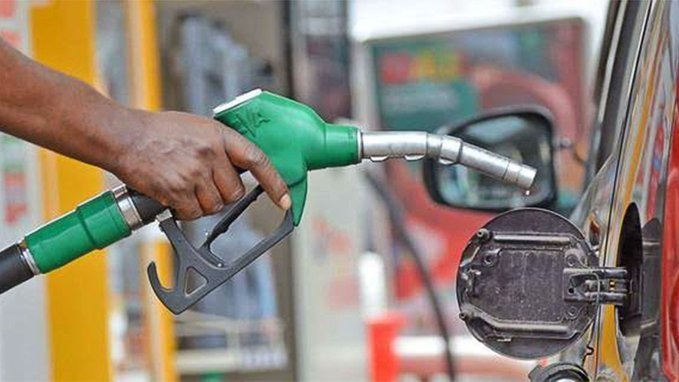
Nigeria’s downstream petroleum sector is facing renewed pressure as fuel depot prices reportedly surged to as high as N1,900 per litre, even as the Nigerian National Petroleum Company (NNPC) continues efforts to stabilize the market through discounted supplies. The development has raised fresh concerns about the cost of transportation, inflation, and the broader impact on businesses and households already grappling with economic uncertainty.
Depot prices serve as a critical benchmark in the fuel supply chain. When costs rise at depots, the ripple effect is often felt across filling stations, logistics networks, and consumer markets. For many Nigerians, higher fuel prices go beyond what they pay at the pump. They influence transport fares, food distribution costs, manufacturing expenses, and the overall cost of living.
The situation highlights the complexities of Nigeria’s post-subsidy fuel market. While policymakers have argued that deregulation would encourage competition and attract private investment, market volatility continues to expose the sector’s vulnerabilities. Global oil prices, foreign exchange challenges, logistics costs, and supply disruptions remain powerful forces shaping domestic fuel prices.
This matters because energy remains the backbone of Nigeria’s economy. From small businesses running generators to transport operators moving people and goods across the country, fuel costs affect nearly every aspect of daily life. Rising depot prices also place additional pressure on sectors that depend heavily on energy, including entertainment, agriculture, and the growing digital economy.
Beyond the immediate price concerns, the development raises broader questions about energy security and affordability. As Nigeria seeks to modernize its petroleum sector and expand refining capacity, consumers will be watching closely to see whether reforms translate into greater stability or continued price fluctuations.
For businesses and families alike, the challenge is no longer simply accessing fuel. It is navigating an economy where energy costs increasingly shape spending decisions, investment plans, and long-term financial resilience.