

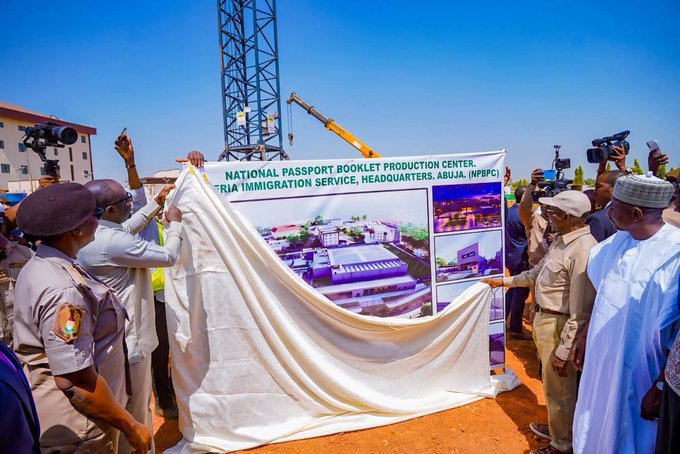
Nigeria is taking a major step toward strengthening its sovereign infrastructure with the construction of a passport production facility in Abuja. According to the Federal Government, the facility is expected to produce up to 6 million passports annually by May 2027, significantly reducing the country’s dependence on foreign suppliers for one of its most critical identity documents.
The project represents more than a manufacturing investment. It reflects a broader push toward self-sufficiency in strategic sectors where national security, technology, and public administration intersect. For years, many African countries have relied on foreign companies for the production of passports and other sensitive documents, raising concerns about supply chain disruptions, costs, and technological dependence.
By localizing production, Nigeria aims to strengthen control over its passport ecosystem while creating new opportunities for job creation, technology transfer, and industrial development. The initiative is also expected to improve the country’s capacity to meet growing demand for international travel documents as more Nigerians seek educational, professional, and business opportunities abroad.
Beyond domestic benefits, the government’s ambition to eventually supply passports to other African countries signals a larger vision. If successful, the facility could position Nigeria as a continental player in secure document production, creating a new export opportunity within Africa’s growing market for identity and security solutions.
The announcement comes at a time when many African nations are prioritizing local manufacturing and reducing reliance on imports. From pharmaceuticals and agriculture to technology and security infrastructure, governments across the continent are increasingly investing in domestic production capabilities as part of broader economic transformation agendas.
For Nigeria, the passport factory is ultimately about more than documents. It reflects a desire to move higher up the value chain, develop local expertise, and build institutions capable of supporting a modern economy. If delivered as planned, the project could become a notable example of how strategic investments in public infrastructure can generate both economic and national security benefits.