
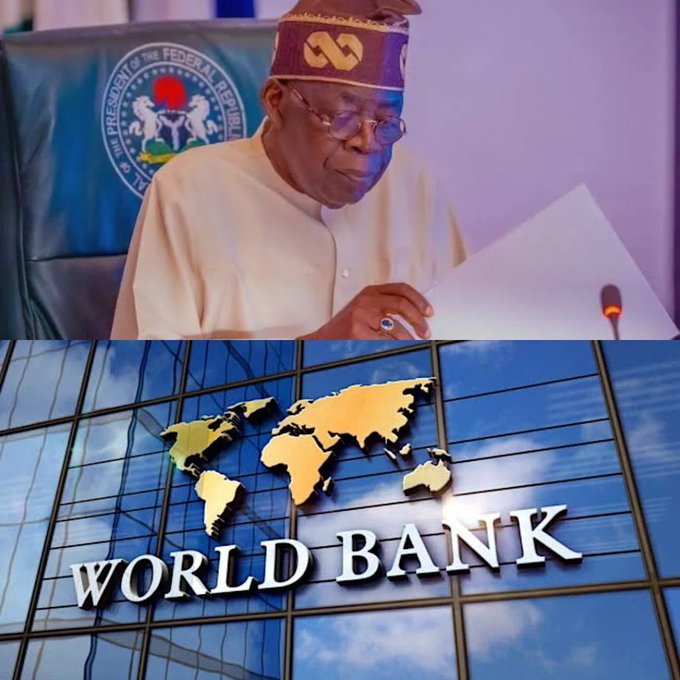
Nigeria will continue servicing a $500 million World Bank loan until 2050, highlighting the long-term financial commitments that come with development financing. The repayment timeline underscores how major loans can extend across generations, influencing public finances long after the funds have been disbursed.
The facility was secured to support development objectives, infrastructure improvements, and economic reforms. Like many developing nations, Nigeria relies on multilateral lenders such as the World Bank to access capital for projects that might otherwise be difficult to finance through domestic revenue alone. The challenge, however, lies not in obtaining loans but in ensuring that borrowed funds deliver measurable economic returns.
The revelation arrives amid growing scrutiny of Nigeria’s debt profile. With public debt continuing to attract national attention, conversations are increasingly shifting from how much the country borrows to how effectively those resources are deployed. Economists have repeatedly argued that debt becomes sustainable when it finances projects that generate growth, jobs, productivity, and future revenue.
For ordinary Nigerians, debt may appear distant from daily life, but its effects are often felt through government spending priorities, taxation, infrastructure investments, and economic planning. Rising debt servicing obligations can limit fiscal flexibility, forcing governments to balance repayment commitments with investments in healthcare, education, and social development.
The broader conversation also reflects a challenge facing many African economies. As governments pursue ambitious development agendas, they must navigate the delicate balance between securing capital today and avoiding excessive financial burdens tomorrow.
Whether this loan is ultimately judged as a success will depend less on the repayment schedule and more on the impact of the projects it funded. The real measure of value lies in whether the investment improves lives, strengthens institutions, and creates lasting economic opportunities long after the final repayment is made.