

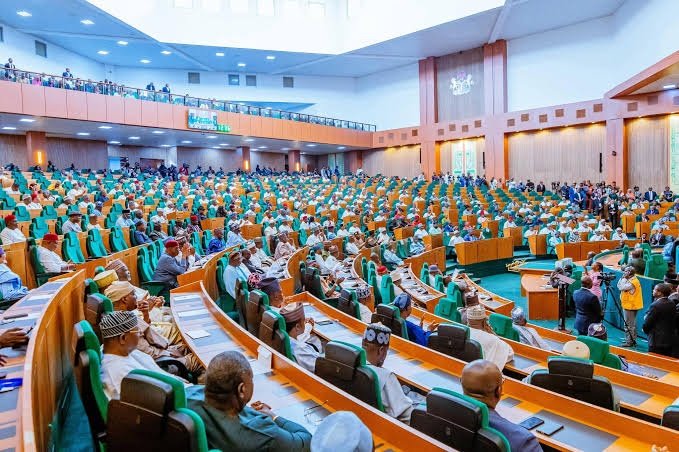
The House of Representatives has introduced the FCT Rent Regulation and Tenants’ Protection Bill, 2026, a proposed legislation aimed at addressing some of the longstanding challenges facing tenants and landlords in the Federal Capital Territory. The bill seeks to establish a clearer framework for rent administration, tenancy agreements, dispute resolution, and tenant rights within Abuja’s rapidly growing housing market.
Housing affordability remains one of the biggest concerns for residents of the FCT. Over the years, tenants have frequently complained about high upfront rent demands, arbitrary charges, agency fees, and limited legal protections. Landlords, on the other hand, often cite rising maintenance costs, inflation, and property management challenges as reasons for higher rents.
The proposed legislation arrives at a time when conversations around housing accessibility are becoming increasingly urgent. Abuja’s population growth, urban expansion, and rising cost of living have intensified pressure on the residential property market, making housing policy a major public concern.
If passed into law, the bill could reshape the relationship between landlords and tenants by introducing clearer regulations and accountability mechanisms. It also reflects a broader trend across major cities where governments are exploring ways to balance property rights with housing affordability and consumer protection.
Beyond the legal and economic implications, the proposal touches on a fundamental issue affecting millions of Nigerians: access to secure and affordable housing. For young professionals, families, and small business owners trying to build lives in the nation’s capital, any reform that improves transparency in the rental market is likely to attract significant public interest.
As the bill moves through the legislative process, stakeholders across the housing sector will be watching closely to see whether it can deliver practical solutions to one of Abuja’s most persistent urban challenges.