

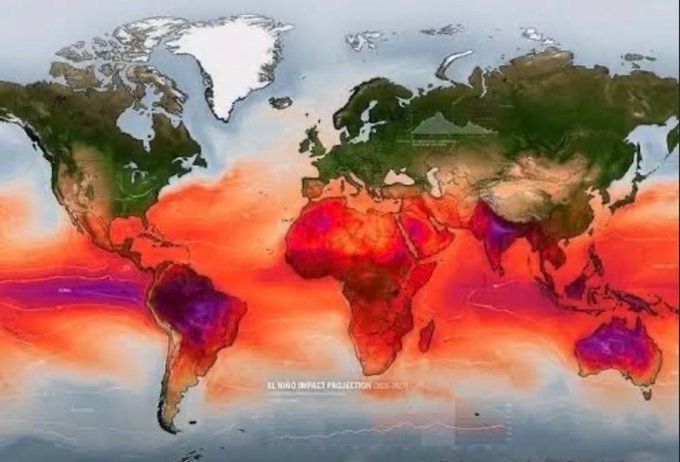
Nigeria could record an estimated 31,400 additional heat-related deaths between September 2026 and February 2027 as an intense Super El Niño weather pattern pushes temperatures higher across the region. The projection highlights the growing human cost of extreme weather events and the increasing pressure climate change is placing on public health systems across Africa.
Heat-related illnesses often receive less attention than floods, storms, or droughts, yet they can be equally devastating. Prolonged exposure to extreme temperatures increases the risk of dehydration, heat exhaustion, heat stroke, and complications for people living with heart, respiratory, and other chronic health conditions. Children, older adults, pregnant women, and outdoor workers remain among the most vulnerable groups.
The warning arrives at a time when many Nigerian cities are already grappling with rapid urbanization, unreliable electricity, and limited access to cooling infrastructure. For millions of households, coping with extreme heat can be especially difficult when power shortages limit the use of fans, air conditioners, and refrigeration.
Beyond health concerns, rising temperatures also carry significant economic implications. Productivity often declines during periods of intense heat, particularly in agriculture, construction, transportation, and other sectors that depend heavily on outdoor labor. Businesses may also face higher energy costs as demand for cooling increases.
The development reflects a broader global trend. From Europe to Asia and Africa, extreme heat is becoming one of the most visible consequences of changing climate patterns. Scientists and policymakers are increasingly treating heat as a major public health challenge rather than simply a seasonal weather event.
As Nigeria prepares for the possibility of higher temperatures in the coming months, the conversation is shifting from reacting to heat emergencies to building long-term resilience. From climate adaptation policies to public awareness campaigns and improved urban planning, the challenge will be ensuring that communities are better equipped to withstand a warmer future.


