The Nigeria Centre for Disease Control and Prevention (NCDC) has revealed that 68 percent of confirmed diphtheria cases involve people who were not vaccinated, based on available data. Diphtheria, a vaccine-preventable disease, has re-emerged as a public health concern in Nigeria, with outbreaks reported across several states.
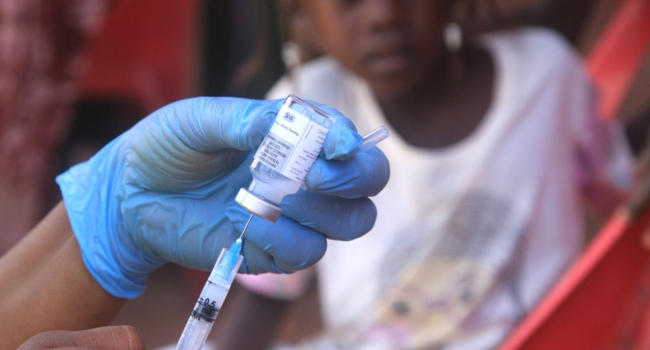
This finding underscores the critical importance of vaccination in preventing deadly diseases. Diphtheria can cause severe respiratory problems and complications, but immunization offers strong protection. The high percentage of unvaccinated cases highlights gaps in vaccine coverage and the urgent need to strengthen public health campaigns.
For communities, this is not just a medical issue—it is about trust, awareness, and access. Many families face barriers to vaccination, ranging from misinformation to logistical challenges. Addressing these barriers is essential to safeguarding lives and preventing future outbreaks.
Globally, vaccine hesitancy has been a recurring challenge, but Nigeria’s situation shows how quickly preventable diseases can resurface when immunization rates drop. The NCDC’s data is a call to action for both government and citizens to prioritize vaccination as a collective responsibility.