

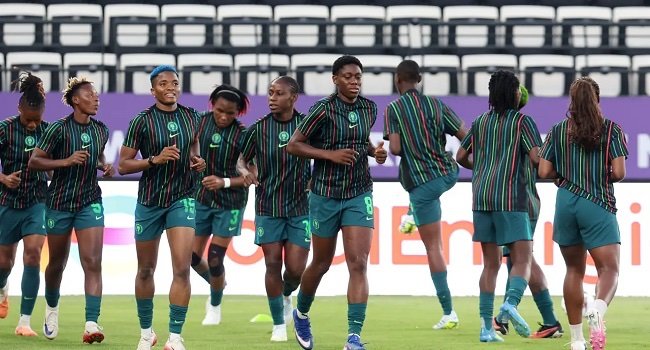

The Super Falcons of Nigeria have failed to qualify for the 2027 FIFA Women’s World Cup after losing to South Africa, ending their long-standing dominance in African women’s football. For a team that has carried the continent’s pride for decades, the result is a sobering moment that reflects how competition across Africa is evolving.
Nigeria’s women’s team has been a symbol of excellence, resilience, and representation, consistently setting the standard for others to follow. Missing out on the next World Cup breaks a legacy built on passion and perseverance. South Africa’s victory, meanwhile, highlights the growing strength of other African nations investing in women’s football and closing the gap that Nigeria once commanded.
This matters because football is deeply woven into Nigeria’s cultural identity. The Super Falcons are more than athletes, they are ambassadors of Nigerian creativity, strength, and influence. Their absence from the global stage means fewer opportunities to showcase talent, inspire young girls, and reinforce Nigeria’s leadership in sports and culture.
Globally, women’s football is entering a new era of visibility and investment. Nigeria’s setback underscores the need for renewed focus on development, coaching, and infrastructure to keep pace with international standards. It also raises questions about how the country supports its female athletes beyond moments of victory.
The bigger picture is clear: this defeat is not the end of the story but a turning point. The Super Falcons remain icons of African football, and their journey forward will define how Nigeria reclaims its place among the world’s best.