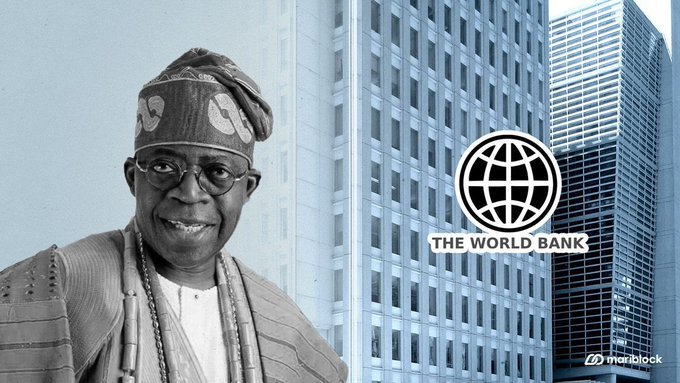
Nigeria’s foreign debt rose to $145.02 billion by the end of 2025, representing a 6.6 percent increase from the previous year, according to the World Bank’s International Debt Report 2026. The figures highlight the growing financial obligations facing Africa’s largest economy as it seeks to fund development projects, stabilize public finances, and support economic reforms.
While borrowing remains a common tool for governments seeking to accelerate growth, the pace of debt accumulation continues to attract attention from economists, investors, and policymakers. External loans often provide critical funding for infrastructure, healthcare, education, and energy projects, but they also increase repayment obligations that can place pressure on future government budgets.
The rise in Nigeria’s foreign debt comes at a time when many developing economies are navigating a difficult global environment marked by higher interest rates, exchange rate pressures, and slower economic growth. For countries reliant on external financing, managing debt sustainably has become one of the defining economic challenges of the decade.
The implications extend beyond government accounts. Debt levels can influence investor confidence, public spending priorities, and the resources available for social programs. As debt servicing costs increase, governments often face difficult decisions about how to balance infrastructure investments with spending on welfare, education, and healthcare.
For Nigeria, the conversation is particularly important because of its ambitions to remain a leading economic force on the continent. The country possesses one of Africa’s largest consumer markets and most dynamic creative economies, but sustaining growth will require careful management of both borrowing and revenue generation.
The latest figures also reignite debate about how developing nations finance progress. While debt can create opportunities for expansion and modernization, long-term success ultimately depends on whether borrowed funds translate into measurable improvements in productivity, jobs, and living standards.
As global economic uncertainty continues, Nigeria’s debt trajectory will remain a key indicator of how the country balances immediate development needs with long-term financial sustainability.