

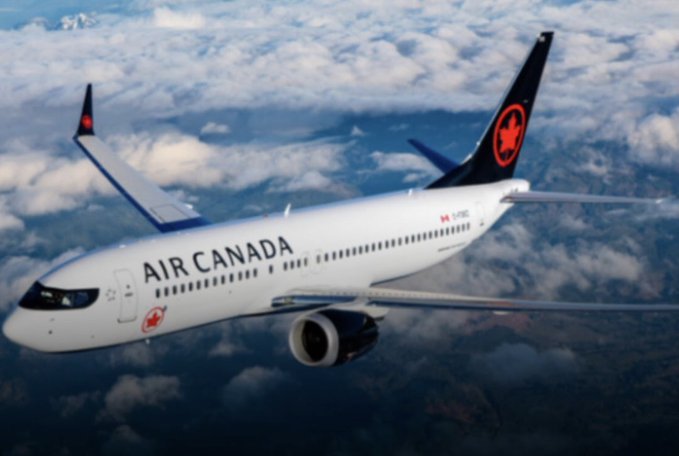

Air Canada’s announcement that it will begin scheduled flights to Lagos in 2027, following the signing of an expanded air transport agreement between Nigeria and Canada, is more than a new route, it’s a cultural and economic bridge. Direct connectivity between Lagos and Canada signals a deepening relationship that extends beyond aviation into trade, tourism, and influence.
For Nigeria, this development is significant. Lagos is not only the country’s commercial capital but also a hub for entertainment, fashion, and the creative economy. Direct flights to Canada open doors for smoother cultural exchange, easier business travel, and stronger diaspora connections. With Canada home to a vibrant Nigerian community, the route will serve as a lifeline for families, entrepreneurs, and creatives who move between both worlds.
This matters because air connectivity shapes perception. When global carriers like Air Canada commit to Lagos, it reinforces Nigeria’s position as a key player in Africa’s aviation and cultural landscape. It also signals confidence in the country’s potential as a destination for investment and collaboration. For the entertainment industry, easier travel means more opportunities for artists, filmmakers, and influencers to expand their reach and participate in global conversations.
Globally, airlines are increasingly aligning routes with cultural and economic flows. The Lagos–Canada connection reflects how African cities are being integrated into international networks not just for commerce, but for culture and creativity. It’s a reminder that aviation is more than logistics; it’s about influence, identity, and the ability to connect stories across continents.
The bigger picture is clear: by 2027, Lagos will not just be receiving flights; it will be exporting culture, business, and creativity on a larger scale. Air Canada’s move is a step toward making Nigeria’s influence more accessible to the world.